Your Deleted ChatGPT Chats Still Exist. The $960 Fix
A court order kept ChatGPT chats that the privacy toggle never touched, deleted ones included. See which account tier was protected and what four seats cost.
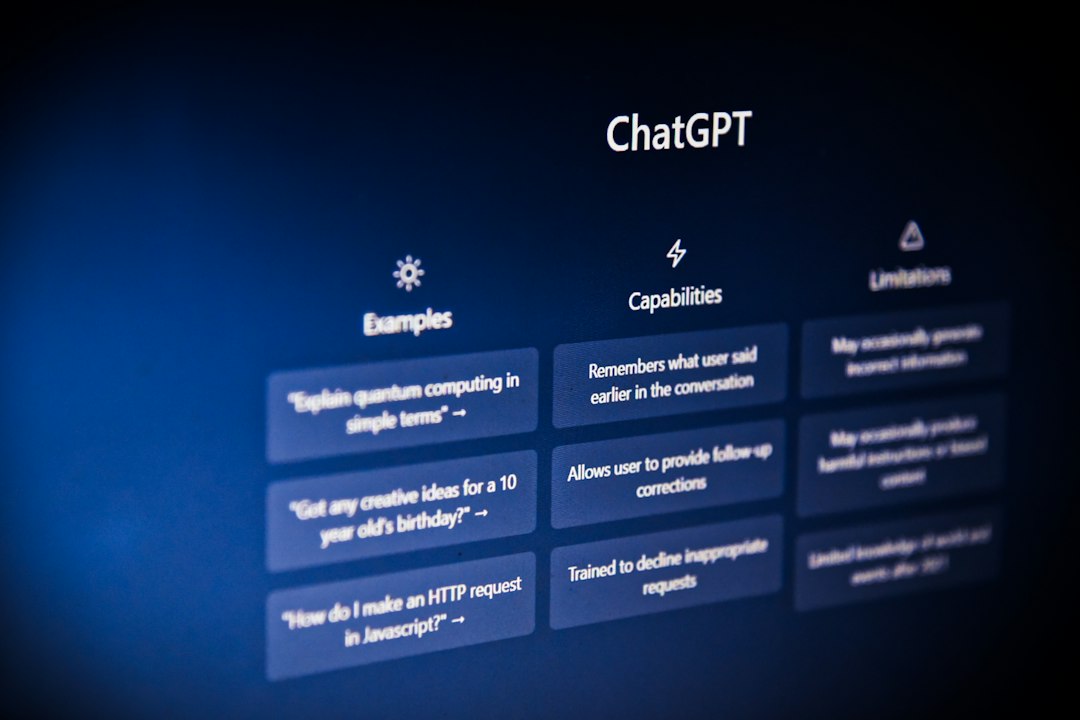
Four people in your shop type customer names into ChatGPT every day, and at least one of them is signed in with a personal Gmail. Last week your project manager wrote fourteen insurance supplement letters, each one opening with a homeowner’s name, street address, carrier, and claim number. Those chats are your business records, and last winter a judge ordered the company holding them to stop deleting things. Ten minutes here gets you the risk you are carrying, the one account tier that was actually protected, and a $960-a-year fix. One of this week’s three steps costs nothing.
On January 5, 2026, Judge Sidney Stein affirmed the orders requiring OpenAI to produce 20 million de-identified ChatGPT conversations to the news organizations and authors suing it. De-identified means somebody ran a tool over the text to strip out names and other identifying details first. The privacy toggle your office flipped last fall had nothing to do with any of it.
Quick verdict
What this is: Chats typed into Free, Plus, Pro, and Team accounts were held under court order whether or not training was switched off and whether or not the user deleted them. What it is worth to you: Nothing this quarter. It is worth the answer you cannot currently give when a lawyer, an insurer, or a customer asks what happened to their information. What to do this week: List every login where a customer’s name gets typed, and whose email address is on each one.
The toggle and the court order are two different switches
I wrote in September about the two training switches and told you to flip them tonight. That advice stands. It also never touched this.
A training toggle controls whether a vendor learns from your text. A court order to preserve records controls whether the text still exists at all. The May 13, 2025 order in this case required OpenAI to keep all output log data it would otherwise delete, regardless of user deletion requests. Deleted chats, temporary chats, and accounts with training switched off were all swept in together.
Here is the part most owners get wrong.
| Account tier | Held under the preservation order |
|---|---|
| ChatGPT Free, Plus, Pro | Yes |
| ChatGPT Team, now called Business | Yes |
| ChatGPT Enterprise, ChatGPT Edu | No |
| API customers with a Zero Data Retention contract | No |
The $25 seat did not get you out. Team is the plan OpenAI now sells as Business, and it sat inside the order alongside the free accounts. The two things that escaped were the tiers you buy from a salesperson and Zero Data Retention, a signed contract promising that your prompts and answers are not stored once the request finishes. I covered what that contract actually commits a vendor to in August. It is paperwork, not a checkbox.
One honest update before you panic. The open-ended retention obligation ended on September 26, 2025, and OpenAI resumed normal deletion for new conversations. What it still holds, per its own statement on the data demands, is a limited set of April through September 2025 user data, locked to a small audited legal team. The window is closed. The precedent is not.
170 letters at a fifteen-person roofing company
Illustrative, built from published figures rather than any company’s books. Storm restoration and residential reroofs, fifteen people, about nine full replacements a month at a $14,500 average ticket plus repair calls. Four people write to customers all day: two project managers, a claims coordinator, and the owner.
Cyberhaven tracked real data movements into AI tools across its corporate customers for the 2026 AI Adoption & Risk Report and found employees push sensitive data into these tools roughly once every three days. That is measured across industries, so read it as a floor. Claims correspondence runs heavier than average by a wide margin.
Four writers, about 128 working days in the April through September 2025 window, one sensitive conversation each per three days: roughly 170 letters. Apply Cyberhaven’s 32.3% personal-account share for ChatGPT and about 55 of those sat in logins you do not control. That 55 is my inference, stretching a usage-share figure across record counts, so treat it as an order of magnitude.
Now the part the scary version of this post would skip. OpenAI told the court it had retained tens of billions of logs, and the sample is 20 million, so any one conversation lands in it at odds near one in a thousand. Expected number of your 170 letters reaching a plaintiff’s lawyer in Manhattan: zero. The order credits three protections working together: cutting the volume from tens of billions to 20 million, OpenAI’s name-stripping tool, and the confidentiality order already in the case.
The logs were reachable. That is the durable problem, and it does not depend on this case at all.
The records demand actually coming for you
You will never be in the Times case. You have a real chance of a dispute with a homeowner over a roof, an insurer over a supplement, or a former project manager over a commission.
When that happens, the conversations your team used to write the scope, the appeal, and the change order are company records, and the other side’s lawyer can demand them. A personal Gmail login gives you no export, no admin view, and no way to produce or defend anything inside it. Same answer when a commercial client’s risk department sends a questionnaire about your AI use. “I don’t know which account my coordinator used” is the wrong answer, and it is the answer most shops have today.
Four Business seats at $20 a head billed annually is $960 a year. That does not make you immune to a court order. It buys the thing you need: a workspace you own, can audit, and can shut off when somebody quits in March.
The 2026 state laws, and who they really hit
Connecticut amended its privacy act effective July 1, 2026. The applicability threshold dropped from 100,000 consumers to 35,000, and new triggers with no customer count at all now catch any business that handles sensitive data or offers personal data for sale. Covered businesses must also state in their privacy notice whether they collect, use, or sell personal data to train large language models, including through a vendor. Silence is non-compliance. Penalties run to $5,000 per willful violation, and the guaranteed 60-day window to fix problems is gone.
My read: 35,000 customers a year sits well above a roofing company, so the count will not catch you. The sensitive-data trigger has no count, which is why health practices should read it twice. Rhode Island came at this from the clinical side, requiring providers since June 16, 2026 to tell patients when AI is used to document a visit and to check the output for accuracy. For a practice, that stacks on top of the signed privacy agreement problem I priced in October.
What to do this week
- Walk the building and write down logins. Fifteen minutes. Every person who types a customer’s name into ChatGPT or Claude: which tool, which email address, which plan. If the email is not on your company domain, circle it. That circled list is your whole problem.
- Move the circled accounts into a workspace you own, and ask the vendor the retention question in writing. Not “do you train on my data.” Ask: what tier are we on, how long is our content kept, and who can see it when a court tells you to hold it. Get the answer in email. Ask your field software vendor too, because most shops never check which outside companies their vendor hands data to.
- Put one sentence on the whiteboard today, before the seats are even bought. No claim numbers, no policy numbers, no card numbers, no medical details, no Social Security numbers, in any chat window, on any account. Write the scope with initials and a job number instead. A letter that says “the insured” and “the property” works just as well and leaves nothing worth preserving.
Deleting the chat never deleted the chat, and that is the sentence worth repeating to your crew on Monday.
TAGS
What is this worth in your business?
The free Build Audit is 30 minutes. You leave with a ranked list of the automations worth doing in your business, whether or not we build them.
Related Articles

AI Receptionist or a New Hire? What Each One Really Costs
Compare the real monthly cost of an AI receptionist against hiring a front-desk person, including setup, overages and turnover, and find the setup that fits.
Five Numbers to Check Every Monday Morning
Learn the five numbers a service-business owner can pull in ten minutes every Monday to spot a slow week before the bank balance does, and which to fix first.

Win More Quotes by Fixing Follow-Up Before AI Runs It
One afternoon tells you whether an AI follow-up tool will win you more jobs or text your customers the wrong thing, and what to fix first so it pays off.