Stop Paying for Empty Appointment Slots
Learn how to find your real no-show rate and set up a two-way appointment reminder text that lets customers confirm or reschedule so you can refill the slot.
Every owner who books appointments knows the slot where nobody shows up, usually because the customer forgot or changed plans and didn’t think to tell you. A text that lets customers confirm or reschedule can win back a quarter or so of those slots, and your scheduling software can probably send it today. For a busy shop that can mean a couple of thousand dollars a month of work you had already won. The empty hour costs real money because the bay is cleared, the tech is on the clock, and you turned someone else away to hold it, yet nobody writes it down as a loss. By the end of this you’ll know how to count what no-shows cost you and how to set up the appointment reminder text that brings some of those slots back.
Why people miss appointments they meant to keep
Most no-shows aren’t people deciding to stand you up. They booked two weeks ago, life filled in around the appointment, and by the morning of it had slipped off their radar or collided with something else. Calling to cancel feels like a small chore, and plenty of customers would rather skip the awkward call than make it. So the slot sits empty, and you find out at the exact moment it’s too late to do anything about it.
That explains why a simple reminder works so well. At a pediatric clinic, where missed visits run high, families who got a text reminder missed 23.5% of appointments compared with 38.1% for families who got nothing, according to a study summarized by MedicalResearch.com. These studies come from clinics, so applying them to a repair shop is my inference, though a forgotten oil change and a forgotten checkup slip away for the same reasons. Your own result is what counts, and step one below is how you measure it.
What reduced no-shows look like in one shop
Picture an auto repair shop that books about 240 appointments a month and loses one in ten. This is an example, but an ordinary one: customers book online or by phone, and the service writer plans each day’s bays around those bookings. Each customer who doesn’t show leaves a bay open and a tech waiting, and none of it appears on a report because nothing was ever billed.
Put a price on those gaps and they stop looking small. At an average ticket around $400, the missed slots add up to close to $10,000 a month of work the shop had already won. The owner only ever sees a few slow afternoons, never the total sitting behind them.
The question is how much of that a simple text can bring back. Suppose the shop turns on a reminder and gets a result in line with the clinic studies, cutting its no-shows by about a quarter. That puts roughly $2,400 a month back in the bays, from a setting rather than a new hire. If the shop’s real rate is lower the dollars shrink, and if it’s higher they grow, which is why I’d rather an owner plug in their own count than trust mine.
The bigger win often comes from the customers who were never going to make it. A reminder that only says “see you Thursday” helps the forgetful ones remember, but it does nothing for the customer whose plans really have changed. A reminder that lets them reply to move the appointment turns a surprise empty bay into a known opening two days out, and a known opening can be offered to the customer who wanted that week and couldn’t get in. The person who would have no-showed becomes a rescheduled job, and the slot gets filled by someone else.
Why a two-way text should beat a one-way reminder
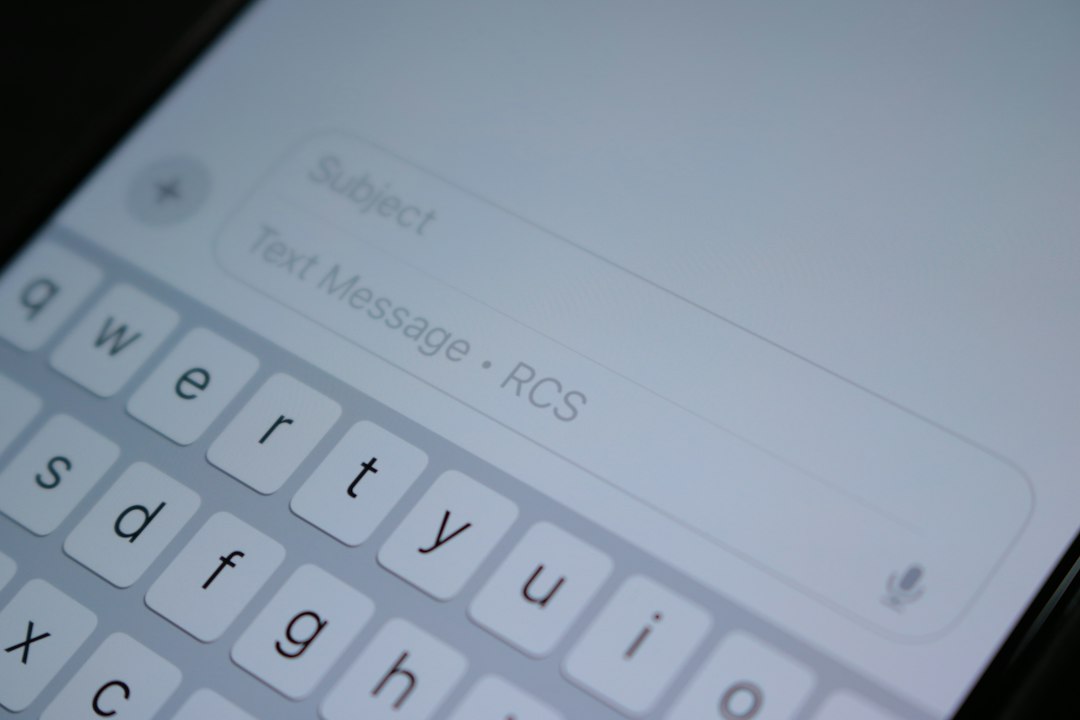
A two-way text is simply a reminder the customer can answer. Instead of a message that announces the appointment, it asks a question, and the customer’s reply of yes, or “reschedule,” updates the schedule or flags the office. Most scheduling and field-service software calls this something like confirmation replies or two-way texting, and many shops are already paying for it without having switched it on.
Physicians Practice made the case for two-way reminders this spring, recommending texts sent two to three days ahead that let patients confirm, cancel or reschedule in the same thread. Much of the enthusiasm for two-way texts comes from companies that sell the software, so treat the boldest claims as a best case. If you want a quick way to size up claims like that, I walked through it in how to tell whether an AI vendor’s ROI claim is real.
Timing matters as much as the wording. A first text three to five days ahead catches people while there’s still time to rebook the slot, and a second text the day before catches the ones who simply forgot. The message itself should be short, friendly and easy to answer, something like this:
Hi Dana, this is Ridgeline Auto. You’re booked for Thursday at 9 a.m. for brakes. Reply C to confirm or R if you need a different time, and we’ll text you back with openings.
When someone replies R, the work is in the follow-through. Someone has to text back a couple of open times and offer the opening to a waiting customer, and that’s the same discipline that decides whether answered calls actually turn into bookings, which I covered in why answered calls don’t always become booked jobs. For shops that send a truck rather than receive a car, the stakes are higher, because a no-show also burns the drive, and the empty-driveway truck roll is worth reading alongside this.
What to do this week
-
Count last month’s no-shows. Pull every appointment scheduled last month and count how many customers didn’t show and didn’t call. Divide the no-shows by the total and you have your rate, which is the number every later decision rests on. For a rough yardstick, Curogram’s roundup of no-show data puts dental offices near 15% and primary care near 19%, and multiplying your no-shows by your average ticket shows what they cost you.
-
Turn on two-way reminders in your scheduling software. Look in the settings for reminders, confirmations or two-way texting, and set one text three to five days before the appointment and a second the day before. Write the message so the customer can confirm or ask to reschedule with a one-letter reply. If you can’t find the setting, your software’s support line can usually point to it in a few minutes.
-
Decide who handles reschedule replies, then measure again. Give one person in the office the job of answering reschedule requests the same day and offering freed slots to anyone waiting. After a month, count your no-shows again the same way you did in step one. The difference between the two numbers is your real result, and it’s worth more than any study, including the ones I’ve cited here.
The customers who miss appointments mostly wanted to come, and a text that makes it easy to say so, or to pick a better time, gives you back the work you’d already won.
TAGS
What is this worth in your business?
The free Build Audit is 30 minutes. You leave with a ranked list of the automations worth doing in your business, whether or not we build them.
Related Articles
Are You Paying Google for Calls Nobody Answers?
Learn how to check your Local Services Ads call log for billed missed calls, size what they cost each month, and cut them with two simple phone changes.

Win Back the Callers Who Hang Up on Your Voicemail
Most missed callers never leave a voicemail. A missed call text back can win several of them back as booked jobs, and you can see how many within a week or two.

Fill Your Spring Calendar Before the Phones Start Ringing
Learn how a winter text and email to last year's spring customers books March and April early, and how to size an early-booking discount that pays for itself.