The One Habit That Separates AI Winners from Everyone Else
After working with Fortune 500s and small teams, one habit consistently separates successful AI initiatives from those that quietly die.

The One Habit That Separates AI Winners from Everyone Else
I’ve worked with Fortune 500 companies and small teams across every industry. I’ve seen AI initiatives that transformed entire departments and others that died quiet deaths in endless planning meetings.
After hundreds of implementations, one pattern emerges consistently: The teams that succeed with AI experiment weekly. The teams that struggle experiment rarely (or never).
It’s that simple. And that powerful.
Why Most AI Initiatives Stall
Here’s what typically happens when organizations approach AI:
- Month 1: Leadership announces AI initiative
- Month 2: Research phase begins (what tools exist?)
- Month 3: More research (which vendor should we choose?)
- Month 4: Pilot program planning
- Month 5: Pilot program planning continues
- Month 6: Small pilot finally launches
- Month 12: Still “evaluating results”
Meanwhile, the team down the hall started testing ChatGPT for customer service responses in week one. By month six, they’ve tested 12 different AI applications, kept the three that work, and saved 15 hours per week.
The difference? Experimentation cadence.
The Weekly Experiment Advantage
Teams that build consistent AI experimentation habits develop three critical advantages:
1. Pattern Recognition at Speed
When you test something new every week, you quickly learn:
- Which tools actually deliver on their promises
- How to spot AI limitations before they become problems
- What implementation approaches work in your specific context
- How to adapt AI outputs for your audience and standards
This pattern recognition is impossible to develop through planning alone. You need hands-on experience with successes and failures.
2. Reduced Fear and Resistance
Weekly experiments normalize AI as just another tool to test and evaluate. Team members stop seeing AI as this mysterious, threatening technology and start viewing it as they would any new software or process.
When someone suggests an AI experiment, the response shifts from “We need to research this thoroughly” to “Let’s test it this week and see what happens.”
3. Compound Learning Effects
Each experiment builds on previous ones. Week one might be testing ChatGPT for email drafts. Week four might be using Claude for meeting summaries. Week eight might be combining both into a customer communication workflow.
Without consistent experimentation, these connections never form. Teams get stuck in theoretical discussions instead of building practical expertise.
The Simple Framework That Works
Here’s the framework successful teams use. It takes 2-3 hours per week total:
Monday: Choose the Test (30 minutes)
- Pick one specific AI application to test
- Define what success looks like
- Assign one person as the experiment lead
Tuesday-Friday: Run the Test
- Use the AI tool for real work
- Document what works and what doesn’t
- Note any unexpected results (positive or negative)
Friday: Share and Decide (30 minutes)
- 15-minute team debrief
- Decision: Keep, modify, or discard
- If keeping: who owns implementation?
- Document lessons learned (just 2-3 bullet points)
Weekend/Monday: Plan Next Week’s Test
That’s it. No complex project management. No lengthy approval processes. No extensive documentation requirements.
Real Examples from Successful Teams
Marketing Team at a Non-Profit:
- Week 1: ChatGPT for social media captions
- Week 2: Claude for donor newsletter content
- Week 3: Perplexity for industry research
- Week 4: Canva AI for graphics
- Result: 40% reduction in content creation time, higher engagement rates
Operations Team at a Consulting Firm:
- Week 1: Notion AI for meeting summaries
- Week 2: ChatGPT for proposal sections
- Week 3: Claude for client report editing
- Week 4: Custom GPT for project templates
- Result: Proposal turnaround time cut from 5 days to 2 days
Customer Service Team:
- Week 1: ChatGPT for response drafts
- Week 2: Claude for complex technical explanations
- Week 3: Custom chatbot for FAQs
- Week 4: AI for ticket categorization
- Result: Response time decreased 60%, customer satisfaction scores increased
The Documentation That Actually Matters
Don’t over-document. Keep a simple spreadsheet with:
- Tool tested
- Use case
- Results (Keep/Modify/Discard)
- Key lesson (one sentence)
- Who’s implementing (if keeping)
That’s enough to build organizational knowledge without creating bureaucracy.
Common Experimentation Mistakes
Mistake 1: Testing Too Many Things at Once
One experiment per week. If you test five things simultaneously, you won’t learn what actually worked.
Mistake 2: Not Defining Success Criteria
”Let’s see if this helps” isn’t enough. Define specific outcomes: “Does this reduce editing time by 20%?”
Mistake 3: Perfectionism Paralysis
You’re testing, not deploying company-wide systems. Quick and dirty experiments provide the most learning.
Mistake 4: Skipping the Debrief The learning happens in the Friday discussion, not during the experiment itself. Without structured reflection, teams repeat mistakes and miss patterns that could accelerate adoption.
Mistake 5: Giving Up After One Bad Week Not every experiment will succeed. That’s the point. Failed experiments teach you what doesn’t work in your specific context, which is just as valuable as finding what does.
Start This Week
You don’t need executive buy-in to begin. You don’t need a budget or a strategy document. You need one AI tool, one specific task, and 30 minutes.
Pick a task you do every week. Try using an AI tool to help. Document what happens. Share with one colleague.
That’s your first experiment. Do it again next week. And the week after.
Within a month, you’ll have more practical AI knowledge than most professionals gain in a year of reading articles and attending conferences.
The teams that win with AI aren’t smarter or better funded. They simply experiment more consistently. Start your weekly habit today.
Related reading:
- The Starting Problem: Why Perfect Plans Kill Progress
- AI Implementation Guide: Bridge Learning to Real Results
- How a 6-Person Non-Profit Reclaimed 20 Hours Every Week
Ready to build a structured AI experimentation program for your team? Schedule a call to discuss your approach.
TAGS
What is this worth in your business?
The free Build Audit is 30 minutes. You leave with a ranked list of the automations worth doing in your business, whether or not we build them.
Related Articles
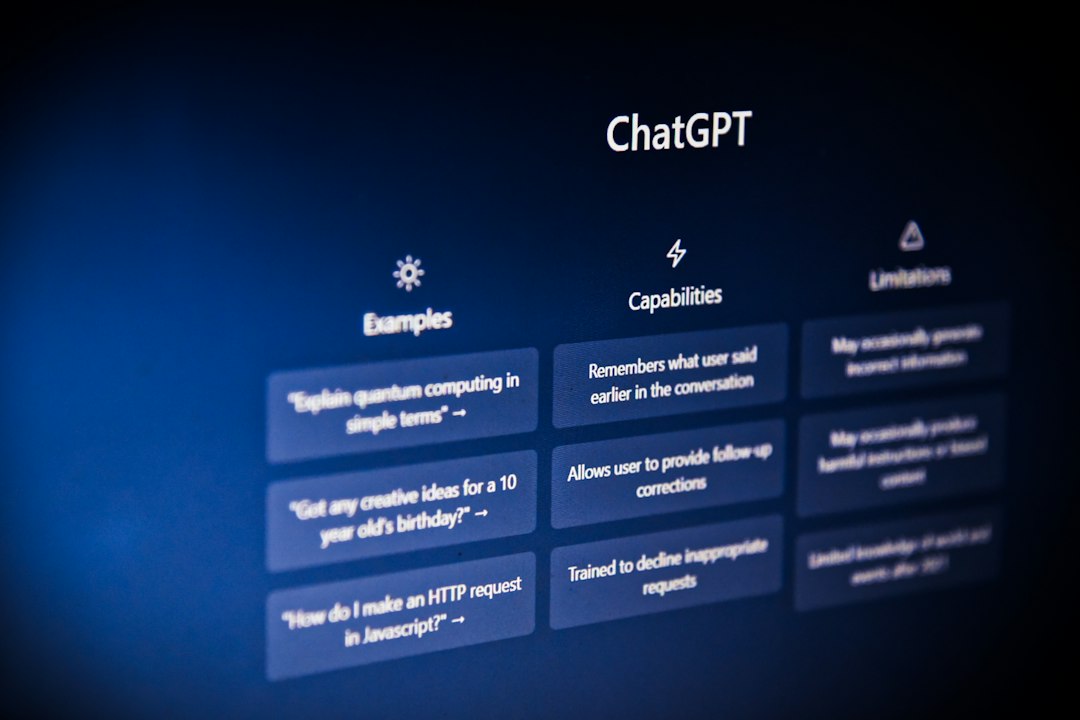
Keep Your Customer Data Out of ChatGPT and Claude
Free ChatGPT and Claude accounts can train on what your team types in. Two switches turn that off for nothing. Here is where to find both tonight.
How to Tell If an AI Vendor's ROI Claim Is Real
Learn the three-question test that separates a real AI vendor ROI number from a marketing one, before you sign the contract or approve the next renewal.
Thomson Reuters Just Answered Your Build vs. Buy Question
Thomson Reuters spent $40M fine-tuning an open-source model on Westlaw data to match frontier performance. Compare that build vs. buy math against your own.