Dental Patient Reactivation: $19,800 Before Benefits Expire
See what your overdue patient list is worth before dental benefits reset January 1, plus the text to send this week and the two reports that build it.
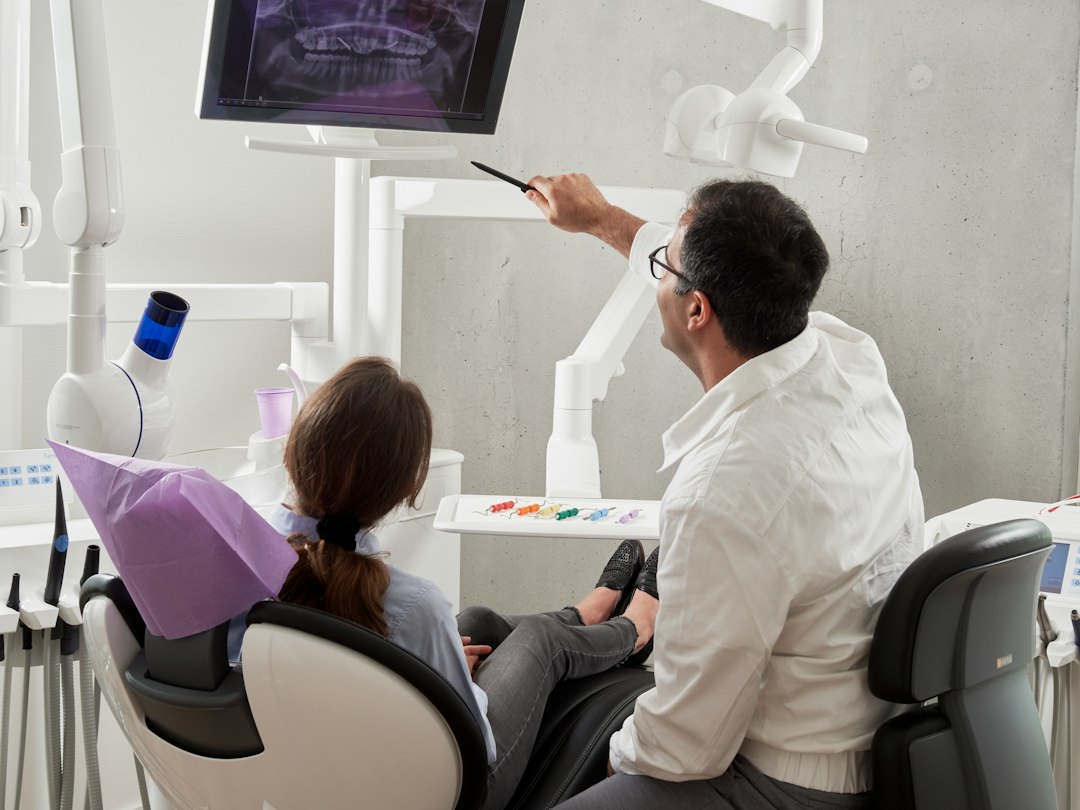
Your hygiene column for the second week of December has daylight in it, and somewhere in your practice management software sit a couple hundred patients who are past due for a visit they are already covered for. Fifty-five days from today their annual benefit resets to zero and your front desk starts January from nothing. An hour of dental patient reactivation work this week turns that list into about $19,800 of production at the three-dentist practice I price out below, with no ad spend, no new patient, and nobody new on payroll. The deadline does the selling for you. EBRI published Updates From EBRI’s Flexible Spending Account Database on October 15, built on more than 3.3 million accounts and $3.9 billion in contributions. An FSA is the pre-tax medical fund many of your patients get through work, and about 40% of FSA holders forfeited money in 2024, an average of $404 each.
Quick verdict
What this is: A list you already own, carrying an expiration date you did not have to invent. What it is worth to you: About $19,800 before December 31 on 244 names, split between hygiene visits and treatment you already diagnosed. What to do this week: Run two overdue reports, merge them, and send the first text today.
Money puts the national total at $4 billion to $5 billion of unspent FSA money forfeited a year. Not a federal statistic, so take the order of magnitude.
December 31 is the only deadline the patient feels
Every other reason you have texted a patient was your reason. The office has openings. It has been a while. None of that is urgent to the person holding the phone.
This one is theirs. Most dental plans run on the calendar year, and Delta Dental states the mechanic plainly: your deductible and annual maximum reset on January 1, and “any unused benefits typically do not roll over to the next period unless your plan offers a carryover benefit.”
Now the number that should decide your December. The National Association of Dental Plans published its 2026 State of the Market Report on 2024 plan data: 57% of commercially insured consumers are in plans with annual maximums of $1,500 or more, and fewer than 5% of members ever reach that maximum.
Nineteen out of twenty insured patients walk into January having left benefit on the table. A patient who used $400 of a $1,500 maximum loses the other $1,100 at midnight on the 31st, and almost none of them know the date.
FSA money is a separate pile. The IRS calls these health flexible spending arrangements, and Publication 969 holds the use-it-or-lose-it rule: unused amounts are forfeited at year end unless the plan offers a carryover (capped at $680 for 2026 plan years) or a grace period of up to two and a half months. Many plans offer neither. Your patient does not know which they have, which is exactly why the text works.
Two reports that power dental patient reactivation
Most practices blast everybody overdue in one send. That is why the campaign underperforms and never gets run twice. There are two piles, worth different money.
Pile one is overdue hygiene. eAssist’s recall numbers, compiled by Layer3 Labs, put 25% to 40% of an active patient base overdue for a hygiene visit at any given moment. Not lost. Just not booked.
Pile two is diagnosed treatment that never got scheduled. The crown you presented in August, the patient said yes, and nobody put it on the calendar. The ADA figure should bother you: the average practice has $500,000 to $1 million sitting idle in patient charts. Henry Schein One’s 2024 Benchmark Study estimates $1 to $1.5 million of annual revenue left on the table from unscheduled treatment, against an average case acceptance rate of 46%.
Pile two is where the real dollars are, and your front desk never has time to work it. Fifty-five days is enough to work it once.
186 names, 58 charts, 55 days
This is a calculator, not a client file: run the published figures above against an ordinary general practice with three dentists, two hygienists, about 2,400 active patients.
For recapture rates I am using RevenueWell’s product data: 28% to 34% of patients one to six months overdue rebook on an automated multi-touch sequence, falling to 8% to 15% past twelve months. Vendor data about a vendor’s own product, so I take the bottom of the fresh band and nothing from the stale one.
| The two pulls | Count | Each | Production |
|---|---|---|---|
| Overdue hygiene, 0 to 6 months past due | 186 | ||
| Rebook at 28%, the bottom of the band | 52 | ||
| Actually seated before December 31 | 40 | $300 | $12,000 |
| Diagnosed, accepted, never scheduled | 58 | ||
| Schedule at 10% | 6 | $1,300 | $7,800 |
| $19,800 |
The $300 per hygiene visit is the floor of the $300 to $500 range in the Layer3 Labs compilation, which already includes the doctor exam and follow-on work, so I am not counting a dollar twice.
The drop from 52 rebooks to 40 seated is holiday chair time: two hygienists, four short weeks, and a practice that closes for part of them. Twelve of those patients book into January no matter how good your text is.
Call it twenty thousand, and the half-million in idle charts says the ceiling is higher in a quarter with more time.
The AI part is one sentence long
A texting tool sends the 244 messages, reads the replies, offers real open slots, and puts the booking on your schedule without your front desk touching any of it. That is the whole technology story. Your practice management system probably ships with some version of it already switched off, and vendors in this category run $350 to $600 a month.
One hard rule. Do not paste patient names, procedure codes, or chart notes into a free ChatGPT or Claude account to draft these messages. HIPAA, the federal law protecting patient medical data, counts that as a violation with no breach required, and the penalty ladder reset in January to $145 through $73,011 per violation. Draft the template with fake names and let your software do the merge.
Channel order matters more than your copy does: text first, email second, phone for the big treatment plans. I ran that comparison on an HVAC list in October.
Here is the hygiene text. Under 300 characters, no clinical detail, two real dates.
Hi [First], it’s Dana at Ridgeline Dental. You’re due for a visit and your dental benefits reset January 1. I have Dec 9 at 2:40 and Dec 16 at 8:00 open. Reply with one and I’ll hold it. Reply STOP to opt out.
The treatment pile gets a different message and, for anything over $1,000, a phone call. “Your remaining benefit this year is about $1,100 and it does not carry over” is a sentence your coordinator should say out loud, not type.
What to do this week
- Pull both lists this morning. Thirty minutes. In Dentrix, Eaglesoft, or Open Dental, run the continuing care or unscheduled treatment report, cut it at six months past due, and export the accepted treatment plans with no appointment attached. Count the rows. That count times $300 is your hygiene ceiling.
- Send the hygiene batch today, 50 names, before you automate anything. Mail merge and your existing texting tool will do it. Fifty is small enough that your front desk can handle the replies by hand, and it tells you your real response rate by Monday instead of your vendor’s. Send the next 50 Thursday.
- Give the treatment list to one named person with a call quota. Six scheduled crowns is $7,800 and it will not happen by text. Twelve calls a day for five days covers all 58 charts. Put a reminder on the calendar for the first week of November every year, because the same list with a reminder cadence behind it is the difference between a December campaign and a December scramble.
Run the overdue report before your first patient tomorrow. Every day you wait, another of those 244 benefits gets closer to going back to the insurance company.
TAGS
What is this worth in your business?
The free Build Audit is 30 minutes. You leave with a ranked list of the automations worth doing in your business, whether or not we build them.
Related Articles
Are You Paying Google for Calls Nobody Answers?
Learn how to check your Local Services Ads call log for billed missed calls, size what they cost each month, and cut them with two simple phone changes.

Win Back the Callers Who Hang Up on Your Voicemail
Most missed callers never leave a voicemail. A missed call text back can win several of them back as booked jobs, and you can see how many within a week or two.
Stop Paying for Empty Appointment Slots
Learn how to find your real no-show rate and set up a two-way appointment reminder text that lets customers confirm or reschedule so you can refill the slot.